
When Debt Collectors Come to Your Home: My Rights Against Debt Collectors You Need to Know
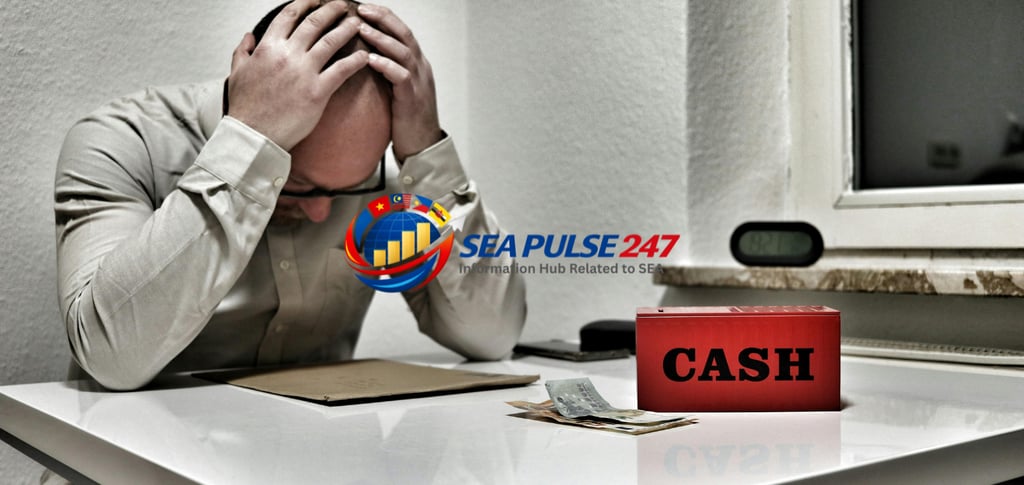

In today’s credit-driven economy, many individuals across the ASEAN region are dealing with financial commitments such as personal loans, credit cards, and hire purchase agreements. When repayments fall behind, creditors may appoint a debt collection agency to recover the outstanding amount. This is where things often become stressful, especially when collectors start showing up at your house.
A question that comes up frequently is simple but important. Is it legal for a debt collection service to visit your home? And more importantly, what are my rights against debt collectors in Malaysia? At Sea Pulse Asia 247, we break this down clearly so you understand not just the law, but also how to protect yourself in real situations.
Can Debt Collectors Legally Come to Your House?
Yes, they can visit your home. However, their presence does not mean they have power over you.
In Malaysia, there is no single law officially named “Debt Collection Act Malaysia,” but the practice of debt recovery is governed through several legal frameworks, such as the Consumer Protection Act 1999 and the Personal Data Protection Act 2010. There are also guidelines issued by Bank Negara Malaysia on fair debt collection practices in Malaysia (Bank Negara Malaysia, 2020).
This means a debt collection company is allowed to contact you, including visiting your residence, but only within strict legal boundaries. They are not police officers. They are not court officers. They cannot enforce anything on the spot.
What Can a Collection Agency Legally Do?
To understand your situation better, we need to answer a key question. What can a collection agency legally do?
A registered debt collection agency may:
Contact you through calls, letters, or in person
Request repayment on behalf of a creditor
Discuss or propose repayment arrangements
That is the limit of their role. They are essentially intermediaries. They communicate and negotiate, but they do not have enforcement power. According to Bank Negara Malaysia, collectors must act professionally and avoid harassment or intimidation (Bank Negara Malaysia, 2020).
This aligns with global standards such as the Fair Debt Collection Practices Act, which also restricts abusive conduct (Federal Trade Commission, 2021).
What Can Debt Collectors Legally Do and What They Cannot Do
Many people feel pressured because they are unsure about what legal action debt collectors can take. Let’s make this very clear.
They can:
Advise the creditor to pursue legal action
Assist in preparing documentation for a civil lawsuit
They cannot:
Enter your house without permission
Seize your belongings
Threatening you with arrest
Use abusive or threatening language
If legal enforcement is required, the creditor must first obtain a court judgment. Only after that can enforcement be carried out by authorized officers such as court bailiffs (Malaysian Judiciary, 2022). So if a debt collection service threatens to take your property immediately, that claim is misleading and potentially unlawful.
A Situation Many People Experience
Picture this. You are at home in the evening, trying to relax after work. Suddenly, someone knocks loudly at your gate. A man introduces himself as a representative from a debt collection company and demands immediate payment. His tone is firm, maybe even aggressive. This kind of situation happens more often than people admit.
Here is what matters. You are not required to let them in. You are not required to continue the conversation if you feel uncomfortable. You have the right to end the interaction and ask them to leave. If they refuse or behave aggressively, you can contact the authorities. Collectors rely heavily on pressure. When you understand your rights, that pressure loses its impact.
My Rights Against Debt Collectors in Malaysia
Knowing my rights against debt collectors changes everything. You have the right to:
Ask for identification and proof that they are authorized to collect the debt
Refuse entry into your home
Request that communication be done in writing
Be treated with respect and without harassment
File a complaint if misconduct occurs
These rights fall under fair debt collection practices in Malaysia, which emphasize ethical and respectful engagement. Additionally, your personal data is protected. Under the Personal Data Protection Act 2010, collectors are not allowed to disclose your debt situation to third parties such as your neighbors or colleagues (Personal Data Protection Department, 2010). If they do, that is a serious violation.
My Rights Against Collection Agencies and Emotional Pressure
Debt collection is not just a legal matter. It is also psychological. Many people feel anxious or ashamed when dealing with debt collection companies. Some collectors take advantage of this by creating urgency or using strong language to push for immediate payment. But it is important to remember this. Debt is a civil issue, not a criminal one.
You are not committing a crime by owing money. You are dealing with a financial obligation. Keeping this in mind helps you stay calm and make better decisions during interactions with collectors.
What Should You Do If a Debt Collector Visits Your Home?
If a debt collection agency comes to your house, handle the situation calmly. Speak briefly. Ask for their details. Let them know you prefer written communication. Do not argue or escalate the situation. If they become aggressive, document what happens and report it.
You can also reach out to organizations such as Bank Negara Malaysia or Agensi Kaunseling dan Pengurusan Kredit for guidance on managing your debt properly.
The Bigger Trend in the ASEAN Region
Across the ASEAN region, governments are paying more attention to regulating debt collection services. Countries such as Singapore and Indonesia have introduced clearer rules to prevent harassment and protect consumers (ASEAN Secretariat, 2021).
Malaysia is also strengthening its approach, focusing on transparency and consumer rights. For readers of Sea Pulse Asia 247, this reflects a broader shift. Financial systems are becoming more structured, but individuals still need awareness to avoid being taken advantage of.
Final Thought
So, is it legal for a debt collection agency to visit your home? Yes. But their authority is limited. Understanding what can debt collectors legally do and my rights against collection agencies gives you control over the situation.
When you know where the legal line is, you are no longer reacting out of fear. You are responding with clarity. And that makes all the difference.
References
ASEAN Secretariat. (2021). Consumer protection and financial services in ASEAN. Jakarta: ASEAN Publications.
Bank Negara Malaysia. (2020). Guidelines on responsible financing and fair debt collection practices. Kuala Lumpur: BNM.
Federal Trade Commission. (2021). Fair Debt Collection Practices Act. Washington, DC: FTC.
Malaysian Judiciary. (2022). Civil procedure and enforcement of judgments in Malaysia. Kuala Lumpur: Judiciary of Malaysia.
Personal Data Protection Department Malaysia. (2010). Personal Data Protection Act 2010. Putrajaya: Government of Malaysia.
→ All News
Contact:


© 2026 SEA Pulse Asia 247. All rights reserved.